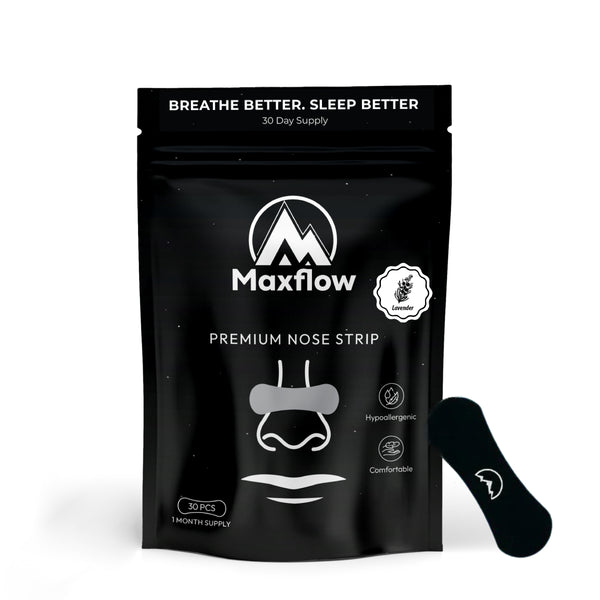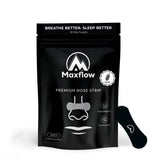

Nasal dilators go by lots of names: nose openers, nostril openers, nasal strips. They all do the same basic job. They make the narrowest part of your nose a little wider, so air flows through more easily. There are two main types, and here's how they compare.
What does a nasal dilator do?
The narrowest part of your airway is just inside the tip of your nose, an area called the nasal valve. A nasal dilator holds it open, either from the outside or from the inside. For snoring caused by blocked or narrow airways in your nose, the NHS lists "special devices (nasal dilators) or strips that hold your nose open while you sleep". (NHS: snoring)
External nasal dilators: nasal strips
A nasal strip sticks across the bridge of your nose. A flexible band inside tries to straighten, which gently lifts the sides of your nose and widens the nasal valve. In one study using acoustic rhinometry, a nasal strip widened the nasal valve from 0.52 to 0.77 cm². (Nigro et al., 2011, reported in Dinardi et al., 2014)
- Nothing goes inside your nostrils
- Single use, so there's nothing to clean
- Easy to put on, and easy to check it's straight
Internal nasal dilators
Internal dilators are small cones, clips or rings that sit just inside your nostrils and push them open from within. They're usually reusable, so they need cleaning between nights, and some people don't like the feel of something inside their nose.
What the research says
A 2016 review brought together 14 studies on nasal dilators. Dilators improved nasal breathing, but they didn't improve sleep apnoea, so a nasal dilator isn't a treatment for it. In the studies it covered, internal dilators reduced snoring more than external strips. (Camacho et al., Pulmonary Medicine, 2016)
In short: both types open your nose. Which one suits you comes down to comfort and what's causing your snoring.
Which should you choose?
- Choose nasal strips if you'd rather not put anything inside your nose, want something single-use, or your nose mainly feels stuffy at night.
- Try an internal dilator if strips don't suit your skin.
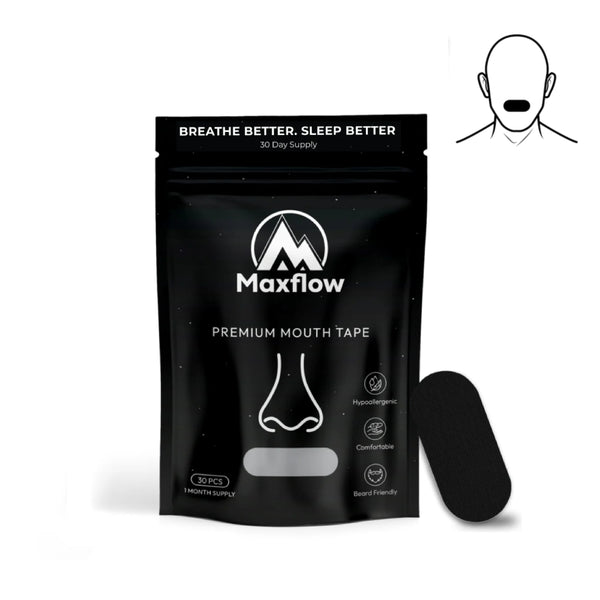
- Snore with your mouth open? A nasal dilator won't keep your lips closed. Pair it with mouth tape, but only if breathing through your nose feels comfortable.
Nasal dilator or decongestant spray?
Decongestant sprays shrink swollen tissue inside your nose, but the NHS says not to use them for more than 5 days at a time, because using them for too long can make stuffiness worse. (NHS: decongestants) A nasal dilator contains no medicine; it simply holds your nose open.
When to see a GP
See a GP if your breathing stops and starts while you sleep, you make gasping, snorting or choking noises, or you always feel very tired during the day. These can be signs of sleep apnoea, which needs proper treatment. (NHS: sleep apnoea)